
After spending 2025 in the wilderness of out-of-town movie theaters, the 2026 San Francisco Silent Film Festival (SFSFF) is once again where it belongs, screening silent films in the city of San Francisco at the beloved 100+-year-old movie palace the Castro Theatre, now freshly restored and looking smarter and more chic than ever! With the firm guidance of Executive Director Stacey Wisnia, Artistic Director Anita Monga, and Operations Director Keith Arnold, SFSFF can expect many future years devoted to great motion pictures. I was able to attend six of this year’s programs and am delighted to share some of the riches with you!
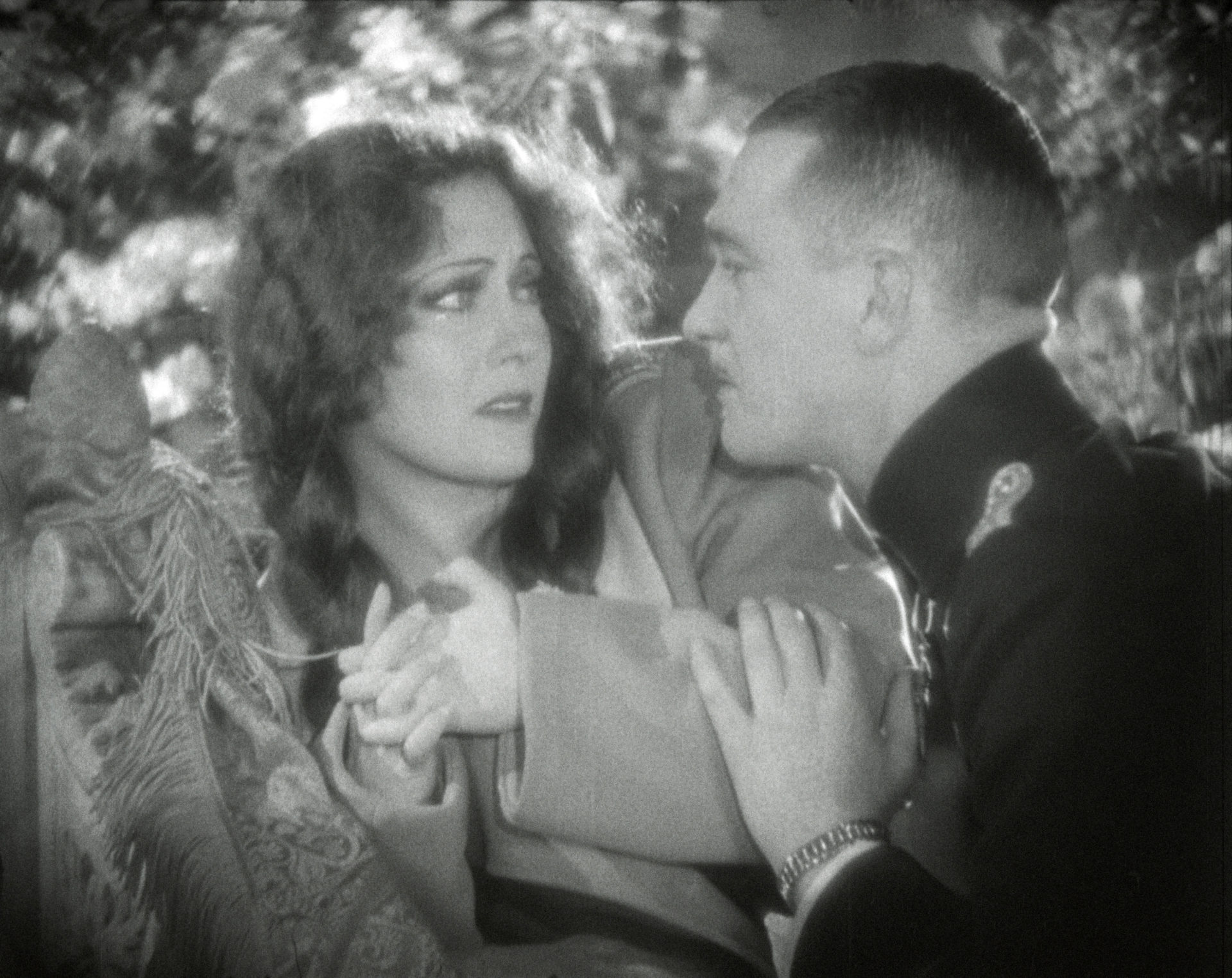
Kicking off this year’s festival was a screening of Erich von Stroheim’s final silent film, Queen Kelly (1929). This extraordinary epic was never completed – star Gloria Swanson and producer Joseph Kennedy (patriarch of the famed political clan) pulled the plug due to Stroheim’s extravagance and his penchant for shooting scenes that the censors would never permit audiences to see. And indeed, little remains of the film’s second part, in which convent girl Swanson inherits a sordid African brothel and is forced to marry a debauched creep (played with gusto by Tully Marshall). Most of the first part, however, still survives, set in a Ruritanian monarchy where Swanson wins the love of a prince (Walter Byron) even though he is betrothed to the country’s vicious insane queen (Seena Owen). Milestone Films’ impeccable restoration provides the stills and intertitles needed to conclude this unforgettable film, which displays Stroheim’s unique blend of startling realism and over-the-top melodrama at its most fiendish. Composer Eli Denson led an octet culled from the San Francisco Conservatory of Music in his moody and memorable score.
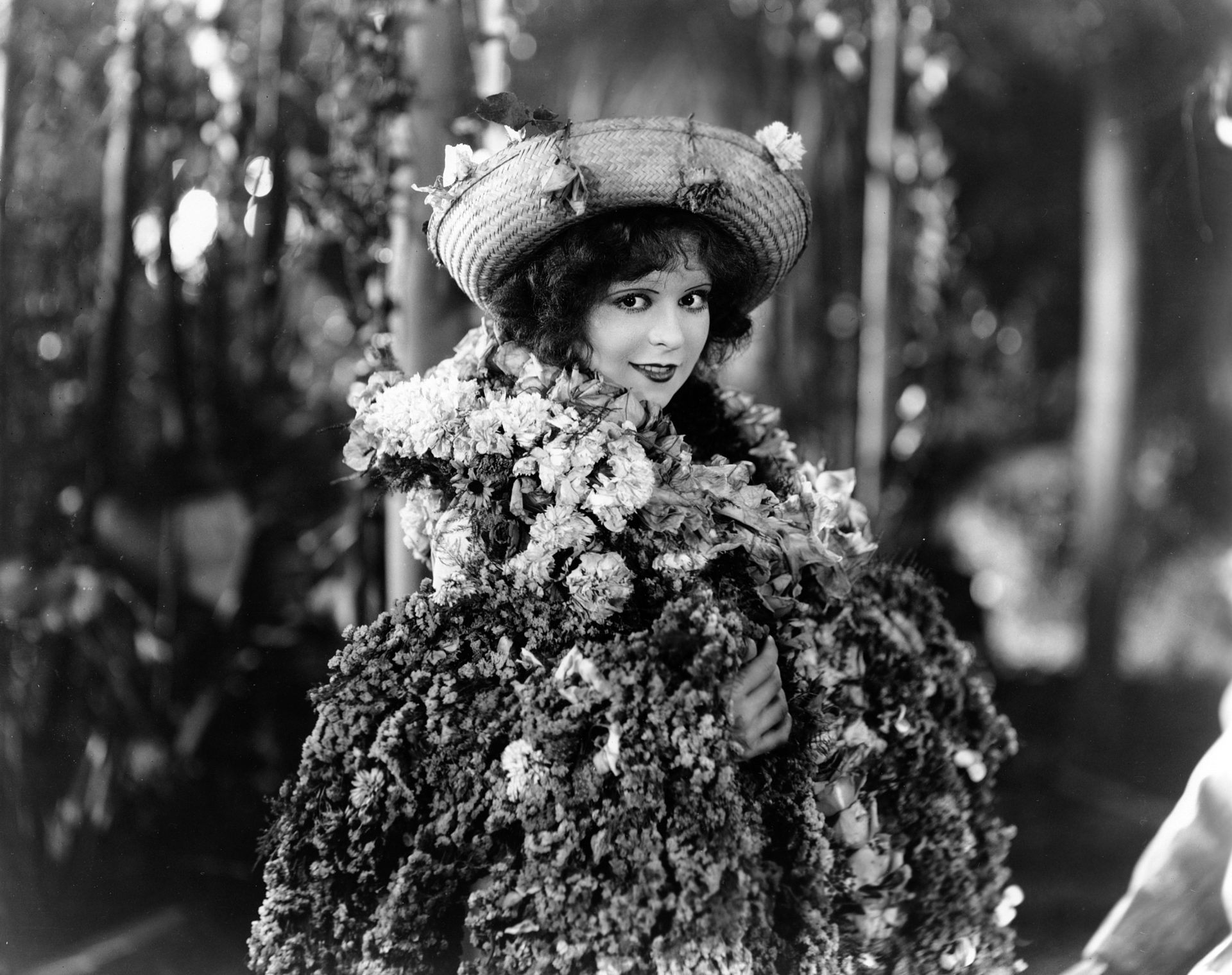
A vivacious Clara Bow – the only star whose name was on the Castro’s marquee for the entire run of the festival – is the focus of the romantic comedy/drama Hula (1927), directed with energy and style by Victor Fleming, who would go on to screen immortality helming (most of) two 1939 classics, The Wizard of Oz and Gone With the Wind. A true “sap and flap picture,” as Variety’s review summed it up, Hula features Clive Brook as the dam-building sap who wins the eye of flapper Clara Bow, although here she does her most serious flapping in a grass skirt as the Hawaiian-born hoyden Hula Calhoun. And neither his estranged wife nor her own suitor can stand in the way of this flap once she sets her cap for that sap! Pianist Stephen Horne – also doubling on accordion and flute, sometimes while playing the piano – provided the spirited accompaniment.
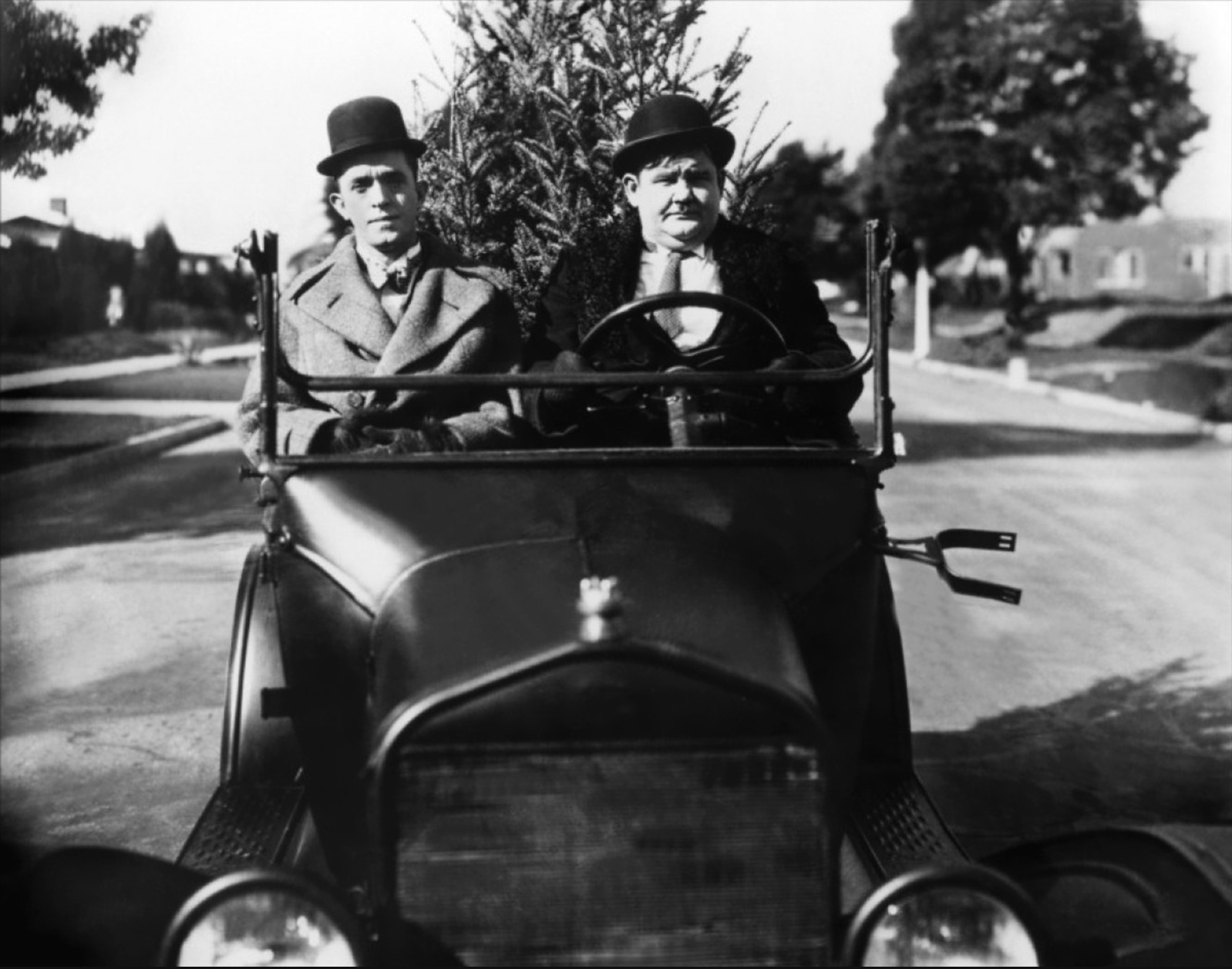
My previous articles on SFSFF 2023 and 2024 featured discussions of the restorations of Laurel & Hardy’s silent two-reelers. This year’s festival rescreened two of the best, The Battle of the Century and The Finishing Touch, both directed by Clyde Bruckman, and offered two more knockouts: Liberty and Big Business. Director Leo McCarey, who would later make such beloved films as Ruggles of Red Gap and Going My Way, played a crucial role in the formation of Laurel & Hardy’s comedy in their early days at producer Hal Roach’s “Lot of Fun.” Most often, McCarey supervised other directors there, but he personally helmed Liberty, a thrill comedy in which the boys are escaped convicts who wind up dangling from the girders of a tall building that’s under construction. Big Business was directed by James W. Horne, who would go on to direct talkies with Stan and Ollie, including their features Bonnie Scotland and Way Out West. Big Business is justly regarded as one of their greatest films, and among the greatest of all comedies: The boys are selling Christmas trees from door to door, and their efforts to score a sale with perennial curmudgeon James Finlayson soon degenerates into an epic confrontation in which he destroys their car and trees while they demolish his house. Fun fact: Operating the camera on all four L&H films was George Stevens, who would later rank among the finest of Hollywood’s directors in the 1950s with A Place in the Sun, Shane, and Giant. Pianist Wayne Barker and percussionist Frank Bockius ably enhanced the slapstick zaniness.
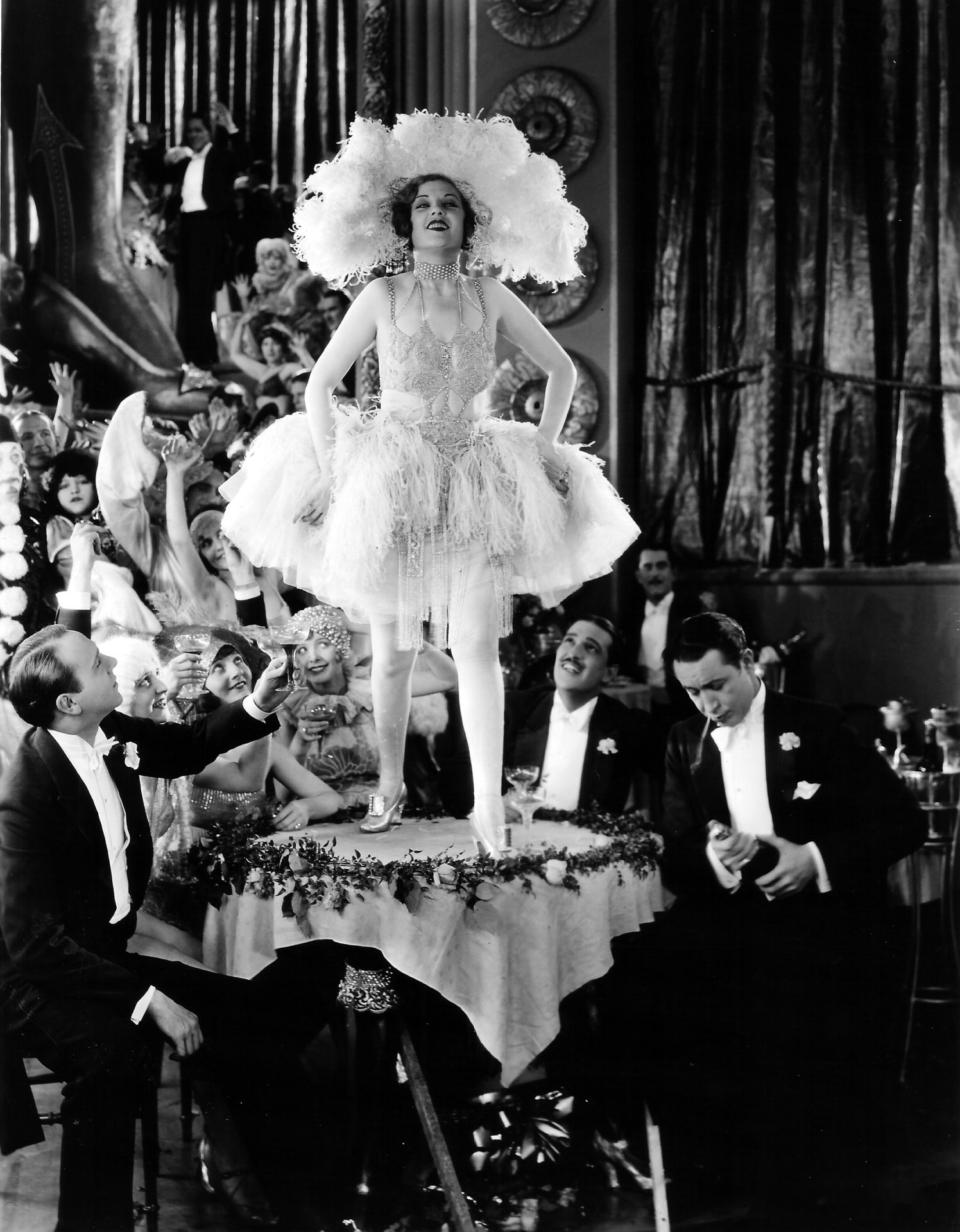
Frank Bockius teamed with pianist/multi-instrumentalist Stephen Horne for the rollicking score which accompanied So This Is Paris (1926), a romantic farce of partner-swapping couples directed by the great Ernst Lubitsch. Patsy Ruth Miller and Monte Blue are the happily if dully married couple whose relationship is reinvigorated when they become entangled with the bohemians across the street, played by Lilyan Tashman and Andre Beranger. Working with his frequent silent-film writing partner Hans Kraly, Lubitsch created one of his most potent comedies, filled with sly observances of marital compromises and dissembling. The highlight is a showstopping sequence set at the Paris Artists Ball with its frenzied Charleston dances, which met with spontaneous applause from the crowd at the Castro. Lubitsch’s dissection of the clash between adventurous longings and the need for stability was never sharper, and the laughs were non-stop.
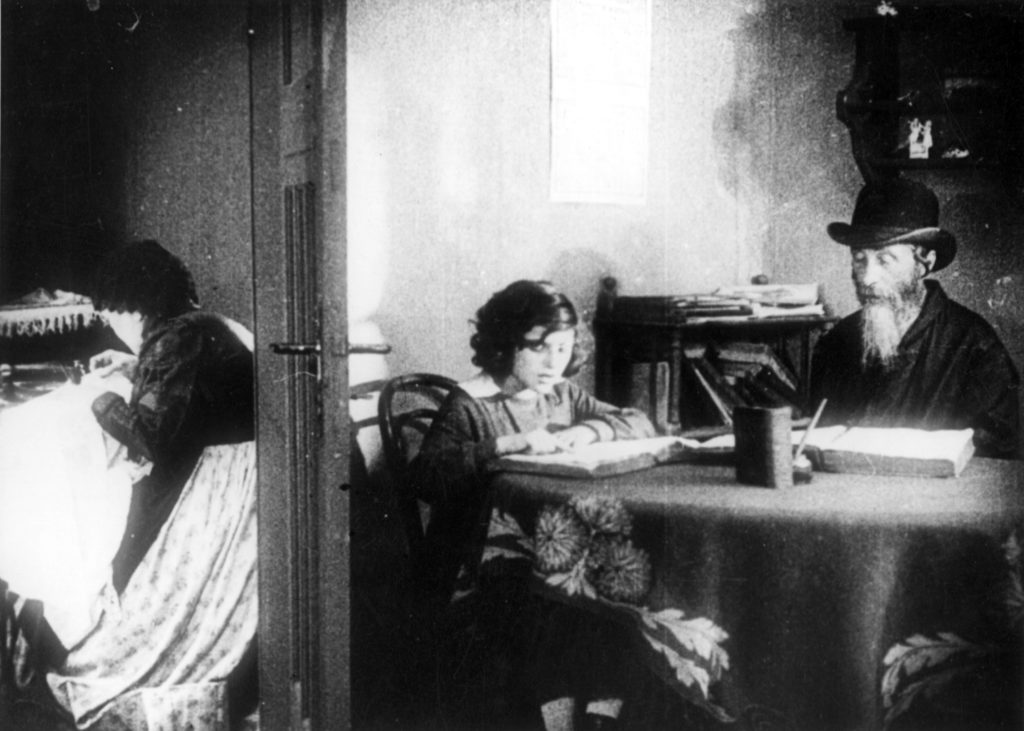
Nothing could have been further from the fun of So This Is Paris than the feature that followed it, the 1922 drama Love One Another (originally titled Die Gezeichneten, meaning “The Marked Ones” or “The Stigmatized”). A searing German-made account of anti-Semitism in early 20th-century Russia, the film examines not only the day-by-day oppressions endured by a village’s Jewish population, but the great catastrophes as well, with a harrowing pogrom sequence as its climax. Love One Another also examines the role of a ruthless Tsarist government, sending rabble-rousers to distract from any communist organizing by fomenting resentment and violence against a marginalized religious population. The director was one of the world’s finest, Denmark’s Carl Theodor Dreyer, just a few years away from his silent masterpiece The Passion of Joan of Arc and his brilliant early talkie, the horror tale Vampyr. The slow tempo and searching camerawork that defined those works (as well as his later classics Day of Wrath, Ordet, and Gertrud) is here replaced by a smoldering suspense that finally erupts into chaos, destruction, looting, and murder. Johannes Meyer, so wonderful as the dictatorial husband and father who receives his comeuppance in Dreyer’s 1925 comedy/drama Master of the House (screened as part of the 2025 SFSFF), is memorably sinister as the government agent who pretends to be an itinerant monk spreading anti-Jewish fears and hatred. Complementing the film was a powerful score performed by Guenter Buchwald (piano, violin), Mas Koga (saxophone, Japanese end-blown flutes, percussion), and Sascha Jacobsen (bass).
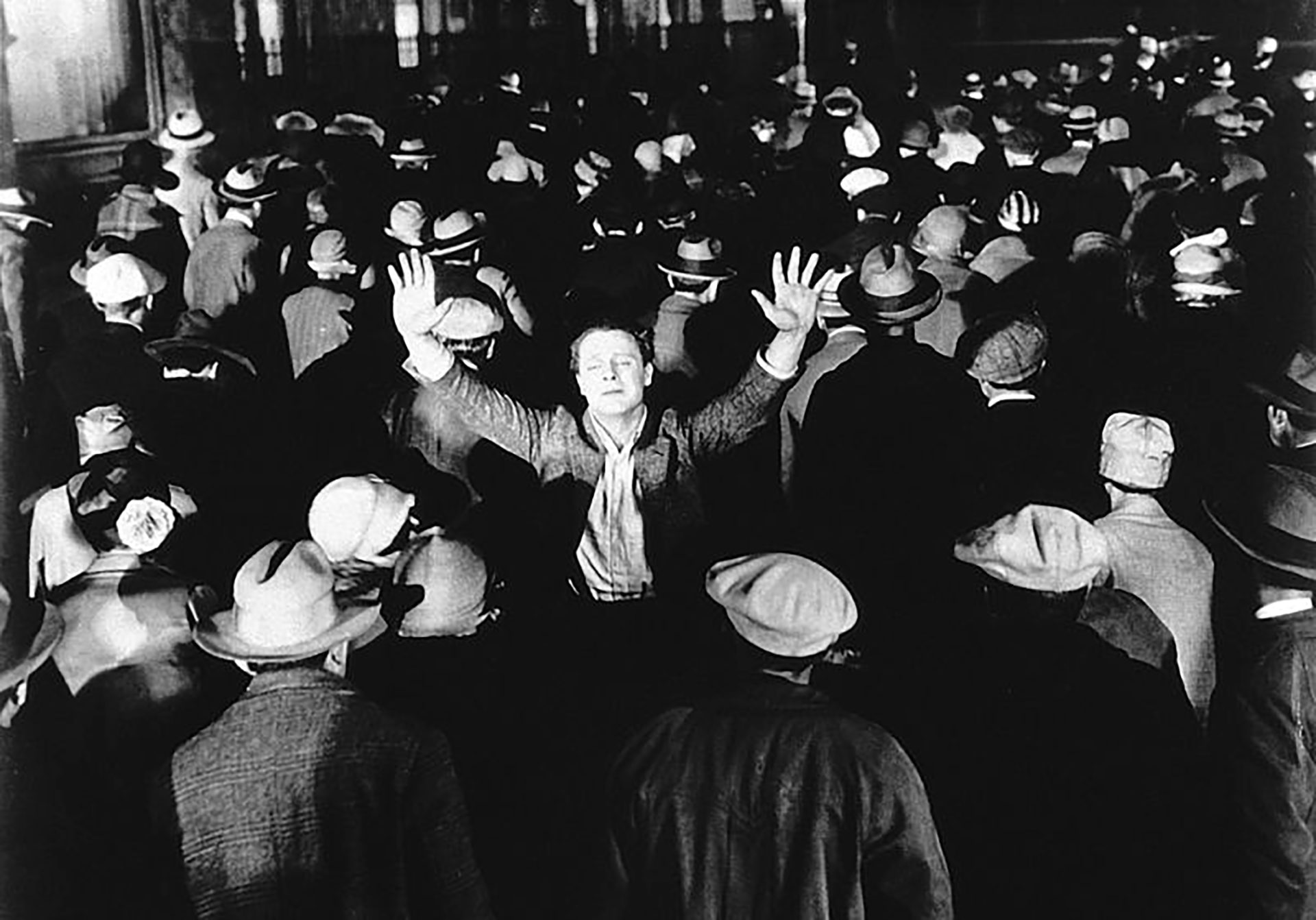
The festival concluded with one of the most celebrated of American silent dramas, director King Vidor’s The Crowd (1928). Although replete with humor and affection, this film is best known for the heartbreaking decline of ordinary guy John Sims after the death of his young daughter and the loss of his job. As played by James Murray, an extra Vidor selected for his star, Sims’ efforts to overcome tragedy and failure never fails to strike a deep chord with everyone who sees this film. Supporting Murray is Vidor’s wife Eleanor Boardman, who gives a touching, nuanced performance as John’s wife Mary, struggling not to lose faith in her husband. The Crowd is also notable for Vidor’s insistence on real locations and familiar details of everyday American life, captured with a naturalness and simplicity that were rare for its day. Wisely, Vidor balanced his film’s realism with unexpected expressionist touches that help underscore Sims’ emotion at crisis points in his life. That superb quintet the Mont Alto Motion Picture Orchestra were flawless accompanists for this landmark American film.
My advice? Run, don’t walk to the box office as soon as SFSFF 2027 is announced!
