
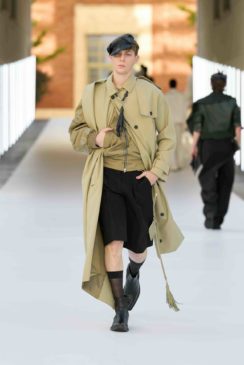
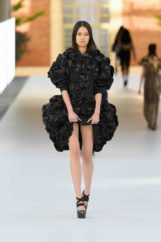
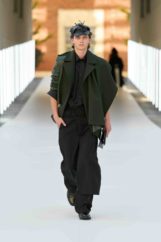
On the eve of Pitti Uomo 110, Polimoda celebrated its 40th anniversary with a Graduate Show that transformed the square of Manifattura Tabacchi in Florence into a platform dedicated to the new generation of fashion design. Over one hundred looks, twenty designers, and fifteen different nationalities brought to life a runway that narrated both the present and the future of fashion through personal stories, cultural identities, and visions deeply rooted in contemporary experience.
More than an academic runway presentation, the 2026 Graduate Show represented the meeting point between Italian manufacturing know-how and the experimental vision of a new generation. Students, who came to Florence from all over the world, developed collections addressing themes such as memory, belonging, vulnerability, migration, spirituality, the relationship between body and technology, and the search for identity. In a historical moment marked by profound social and cultural change, fashion emerges as a tool capable of processing the present and imagining new possibilities for the future.
One of the defining elements of this edition was the mentorship of Luke and Lucie Meier, internationally renowned creative directors and Polimoda alumni, who returned to the school where they studied and met twenty-five years ago. Together with director Massimiliano Giornetti and Belgian designer An Vandevorst, they guided the students through the development of their collections, reaffirming the school’s commitment to fostering a continuous dialogue between education and industry.
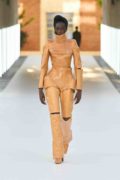
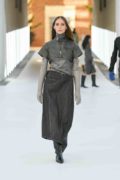
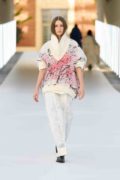

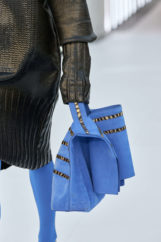
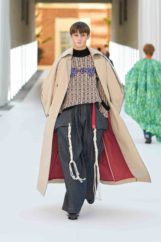

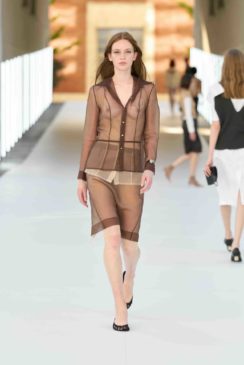
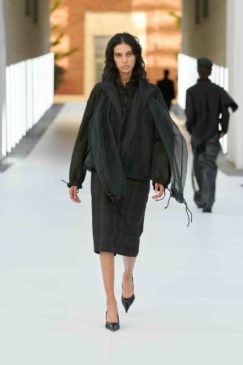
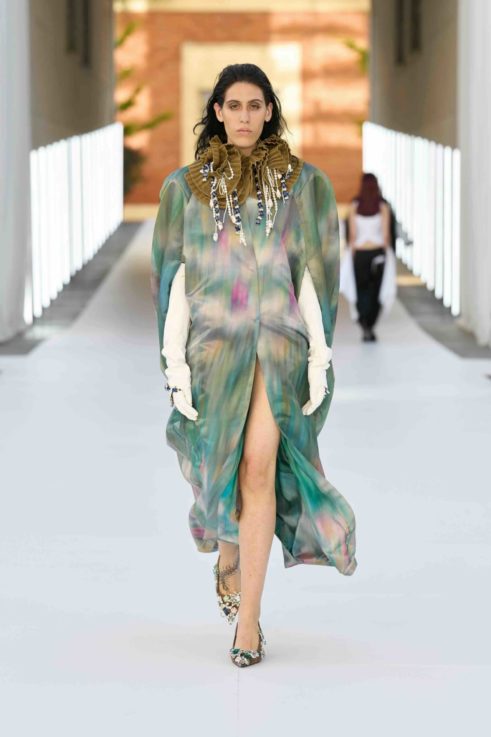
THE KEY PLAYERS OF THE GRADUATE SHOW
The true strength of the show lay in its extraordinary multicultural dimension. Twenty designers from fifteen nationalities brought diverse perspectives to the runway, transforming fashion into a universal language. From American Isabella “Zaz” Alvarino and her tribute to her late friend Jay, to Armenian-Russian Diana Avetisian, who reinterpreted vintage car silhouettes as a metaphor for contemporary femininity; from Italian designer Matteo Bardi, who transformed vulnerability into an act of resistance, to French designer Victor Brial, who narrated travel and memory inspired by Réunion.
Belgian designer Lisa Criaco addressed grief through the memory of her father, a diver, while Israeli designer Idan David Segal built an ironic and theatrical narrative inspired by an imagined museum heist orchestrated by a group of elderly women. Aaron Dillworth, between the United States and Jamaica, brought the warmth and energy of his roots to the runway, while Emily Horton explored the relationship between Jewish identity and cultural belonging through the aesthetics of American baseball.



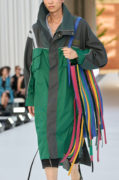
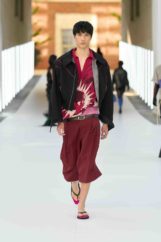
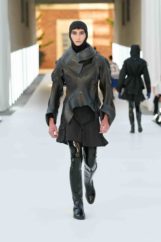
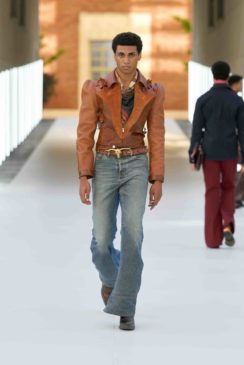
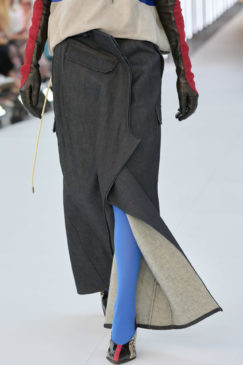
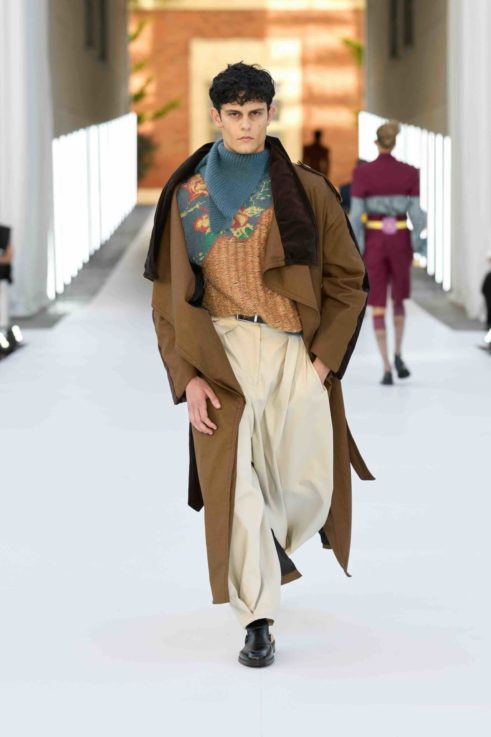
From Thailand, Jirat Jitdee reinterpreted menswear through nostalgic provincial figures immersed in contemporary Bangkok; Ukrainian designer Evelina Kryvopust explored discipline and desire through the archetype of the piano teacher. Anson Lorence Lin, between Taiwan and Sri Lanka, found inspiration in the backstage of fashion itself, turning the creative process into the subject of the collection.
Among the Italian designers, Vincenzo Junior Marrazzo stood out with a reflection on purity and contamination inspired by Pasolini and Bataille; Lucia Romagnoli explored personal emancipation translated into 1970s silhouettes; Matilde Terranova investigated adolescence and identity formation; and Francesca Valivano used chess as a metaphor for suspended time.
Armenian designer Lusine Mkrtchyan paid tribute to the cinematic universe of Sergei Parajanov, while Austrian Jakob Nittmann revived the colour and ornamentation of eighteenth-century menswear. German designer Isabel Antonia Richter explored the boundary between real and virtual through reflective materials and technological surfaces, while fellow German Emilie Wencksternclosed the show with a powerful reflection on the body in the digital age, balancing fashion, anatomy, and sculpture. A look by Mari Enomoto, a Japanese exchange student from Voutrail TheFashion Academy, was also presented on the runway.
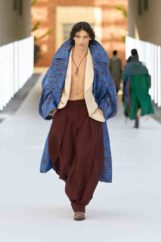
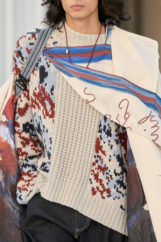



Reinforcing the growing international relevance of the Graduate Show, a jury composed of figures from different fields of contemporary culture was invited to select the Best Collection 2026. The designers were evaluated by Eva Cavalli, fashion designer and entrepreneur; Tuomas A. Laitinen, Fashion Director of SSAW Magazine; journalist and content creator Danae Mercer; critic and StyleZeitgeist founder Eugene Rabkin; and actress Simona Tabasco.
The event production also involved some of the most influential figures in contemporary creativity, with styling by Serge Girardi and sound design by Frédéric Sanchez.
In its 40th year, Polimoda reaffirms its role as a global laboratory of creativity. At a time when the fashion industry is searching for new ideas and perspectives, the 2026 Graduate Show demonstrates how the future can emerge from the intersection of educational excellence, cultural diversity, and expressive freedom. Not simply a graduation runway, but an authentic portrait of a generation preparing to redefine the language of contemporary fashion.
