

Dear Shaded Viewers,
Bosideng has been a household name for a long time and is now celebrating its 50th year. For reference, when I called my grandparents on WeChat (iykyk), I listed a bunch of brands, and Bosideng was the only one they recognised. “Oh yeah, the puffer jackets,” they said simply.
As soon as I stepped into Hôtel Pozzo di Borgo, which hosted some of Karl Lagerfeld’s iconic parties, I knew it was no small feat. Photographers spilled everywhere, gathered in small little crowds, and flashed their cameras continuously at Chinese celebrities, many of whom were unfamiliar to both me and others near me.
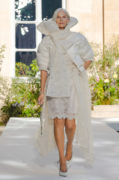
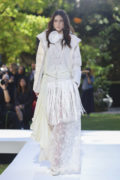
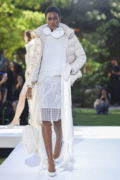
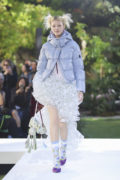
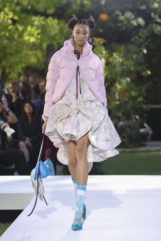
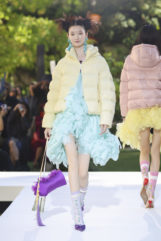
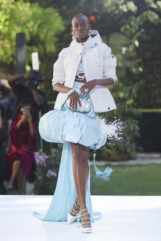
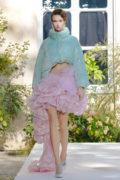
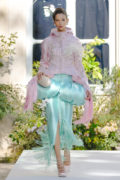
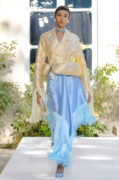
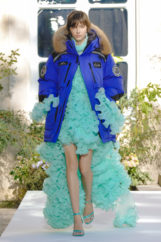
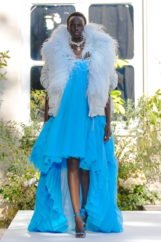
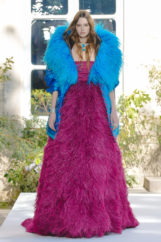
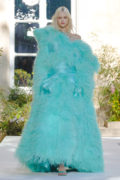
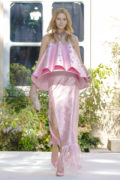
After some restless waiting, the show began. The looks started in all white – tabula rasa, a blank slate. Then it developed into soft pastels, worn by girls who giggled and skipped around with their spiky space buns. Then, as the colours grew bolder, the silhouette grew fuller, and the ruffles bloomed more. I felt like I was watching a metaphor for a woman’s metamorphosis.
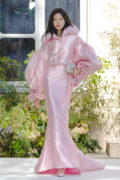
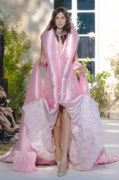
The show ended with a series of pink gowns, their reflective surfaces catching the light. More structured and less flowy than the previous looks, they were separated from the rest. As all the other models walked the finale, the ladies in pink waited in the middle of the runway, beside a beige chaise longue shrouded in flowers, before leaving with creative director Pietro Ferragina. Perhaps, this was where Bosideng saw itself at fifty: poised, assured, and regal.
Throughout, I couldn’t help but notice skirts that recalled the lower half of a qipao, alongside floral embroidery and charmed tassels that hung from the side slits of the dresses. What struck me most were the long sticks placed through the models’ hair – for anyone who’s ever listened to Nicki Minaj, you know where my mind went…
I went and copped the chopsticks
Put it in my bun just to pop shit
But Bosideng, you made me think: how can one translate Chinese heritage for a European audience? There is room for a Chinese brand to bring its heritage into an international wardrobe, but does that heritage first have to meet European expectations of what China looks like? I still encounter people on a daily basis who don’t know the difference between ‘Nihao’ and ‘Konnichiwa’, let alone Hanfu and Kimono. How much does a Chinese brand have to package its culture to gain recognition in a European market?
But then, I fear: am I too quick to look for the bad guy? Am I the bad guy? Are they the bad guy? Who is the bad guy
Chun-li?
Later,
Estelle
