


























Dear Shaded Viewers,
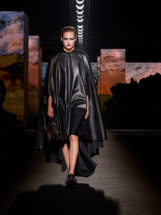
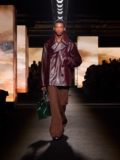
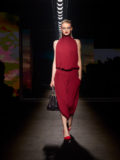
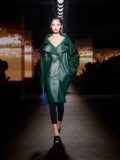
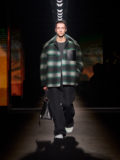
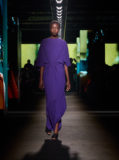
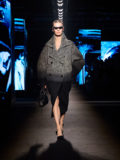
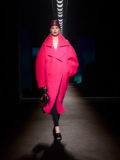
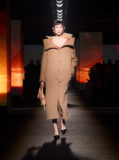
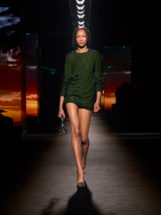
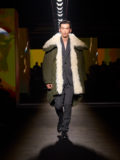
Balenciaga’s Winter 26 show, ClairObscur, plays like an 80s power ballad slowed down and stretched into a cinematic dream: all light, all shadow, all emotion turned up to eleven. Pierpaolo Piccioli leans into the high drama of contrast and makes it feel not nostalgic but necessary, like a wardrobe built for people who remember the nightclub and still crave the morning after.
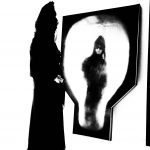
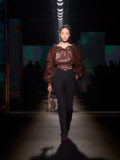
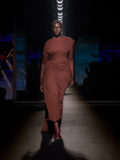
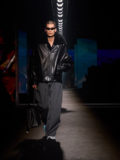
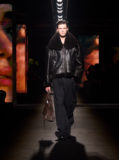
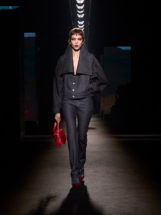
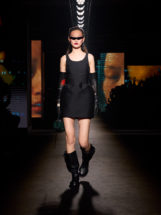
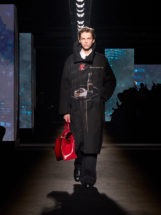
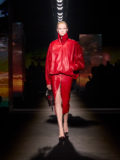
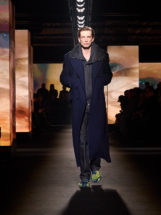
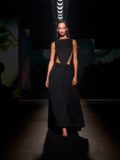
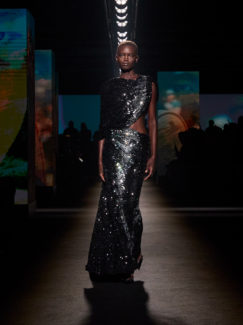
From the start, the collection declares its thesis: to find the light by pushing into the dark, using the High Renaissance technique of clair-obscur as both visual tool and emotional metaphor. Volume is carved out of shadow, silhouettes emerge from depths of black, and then suddenly a flash of phosphorescent color, a sequin glare, an ombré sneaker that looks like it has just walked out of a neon-lit alley. Fabrics are curated for their ability to absorb and reflect—supple leather, dense cashmere, silk, sequin embroideries—so the clothes themselves become lighting instruments, shifting attitudes as they move through the gloom.
Piccioli keeps Cristóbal’s legacy close but rewires it with a kind of romantic 80s humanism. The body is the architecture inside the garments: collars and hoods frame faces like album-cover portraits, décolletages slice open to reveal skin, and shoes—some created with J.M. Weston—twist and fold around the foot as if caught mid-dance, suspended between steps. Cocoon shapes hover around the body with a weightless ease, while bags like the Midnight City and the George feel like time capsules, their sculptural lines tracing the passage of days and nights.
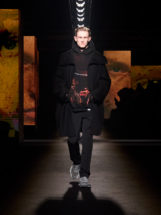
What intensifies the vibe is Sam Levinson’s immersive environment, a digital fresco of humanity that turns the show into an emotional stage set. Fragments of Euphoria’s forthcoming third season bleed into cinematic portraits of the multi-generational cast of models, intercut with fractured landscapes charting the day from sunrise to sunset—a full 24-hour loop of feeling. The idea is simple and potent: light is always there, even at the edge of darkness, and fashion becomes the visual language to say what we cannot articulate out loud.
Both Piccioli and Levinson talk about humanity with almost devotional care: fragility, imperfection, empathy, the countless facets that make a person whole. On the runway, this translates into different generations walking together, clothes that fuse them into a collective force while still letting each person read as an individual story. It’s a living fresco—Euphoria’s choices and consequences meeting Balenciaga’s search for the harmony between light and dark, all under the same pulsing, cinematic sky.
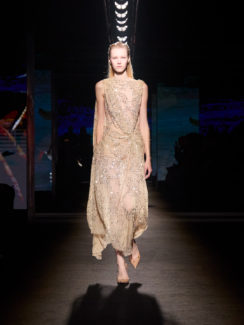
And then there is the finale. The dress that closes the show lands like the last track on a perfect 80s cassette: a mirror ball made wearable, a globe of sequins and light that turns whoever wears it into the center of the room. You don’t need the bulbs; the dress is its own electricity, throwing shards of brightness across the space with every step, like a slow pan of a spotlight in a smoky club. It is pure flashion—flash and fashion fused—destined for a red carpet where cameras will struggle to keep up, where a single look can light up an entire awards season. In that moment, ClairObscur’s thesis becomes crystal clear: the darkness is only there to make the light burn harder, and sometimes the brightest star in the room is a woman dressed as a mirror ball, reflecting us all back to ourselves.
Later,
Diane